
Starting Solids at 6 Months: First Foods and What Your Baby Needs
Starting solids is an exciting milestone, but it can also feel overwhelming. What should your baby's first food be? Should you start with purees or finger foods? How much should your baby eat? And when should you introduce common allergens?
If you've been asking yourself these questions, you're not alone!
As a dietitian specializing in women's and infant nutrition, I want to help make starting solids feel less stressful. You don't need a complicated feeding schedule or expensive baby food products. You need a safe, practical approach that supports your baby's growth while helping them develop a positive relationship with food.
In this guide, we'll cover when to start solids, signs of readiness, nutritious first foods, iron needs, common allergens and what to do if your baby isn't interested in eating yet.
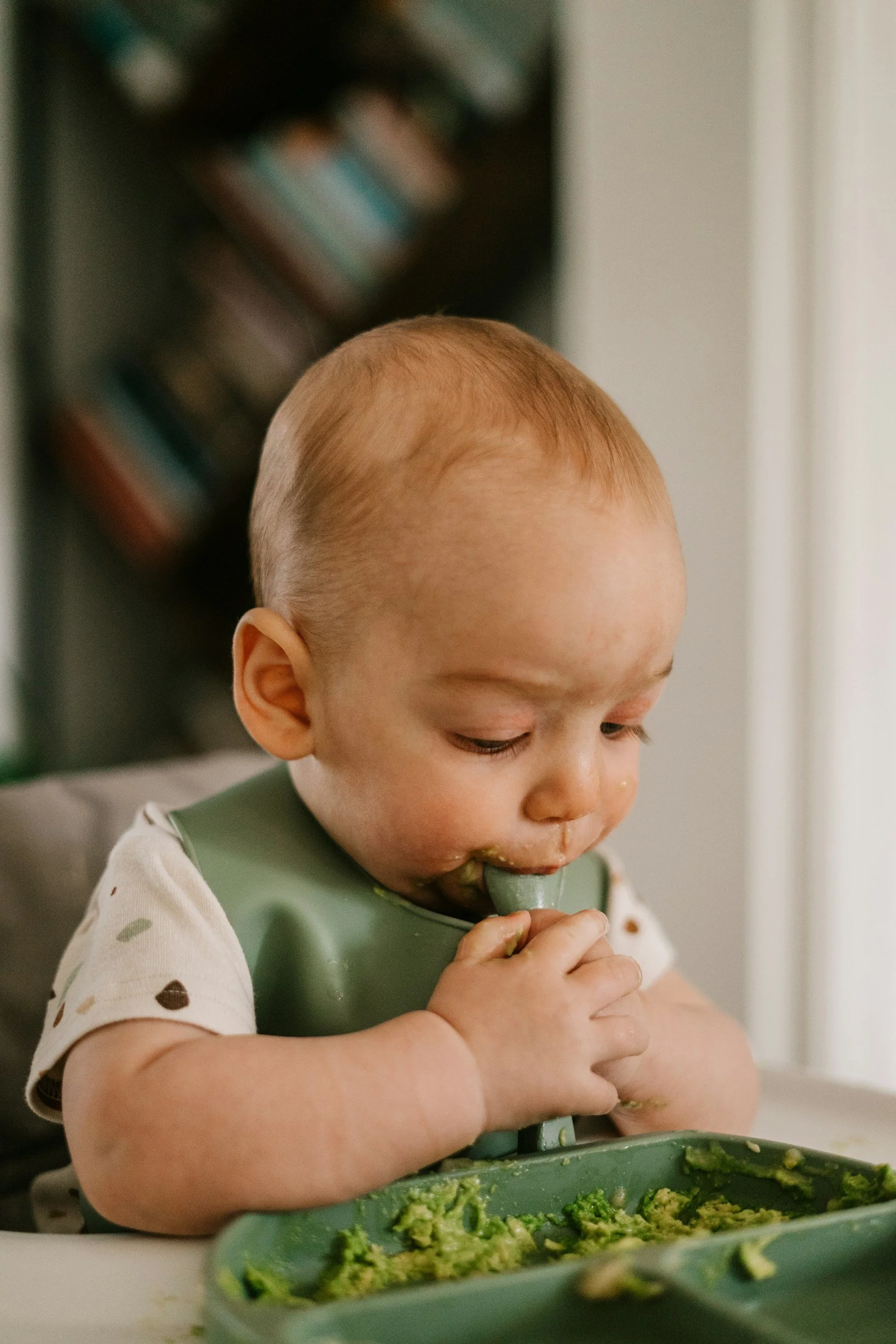
Starting solids at 6 months gives babies a chance to explore new textures at their own pace.
When Should You Start Solids?
For most babies, complementary foods should be introduced at around six months of age, when they show signs of developmental readiness.
Around this age, babies begin to need nutrients from foods in addition to breast milk or infant formula, particularly iron. Breast milk or infant formula remains an important source of nutrition as your baby learns to eat.
Rather than focusing on age alone, look for signs that your baby is developmentally ready to begin eating.
3 Signs Your Baby May Be Ready for Solids
Your baby should generally be able to:
Hold their head steady and sit upright with support. Good head and trunk control help your baby manage food safely.
Coordinate their eyes, hands and mouth. Your baby may watch food, reach for it and bring objects to their mouth.
Swallow food rather than consistently pushing it out. Some early tongue movements are normal, but your baby should be developing the ability to move food into their mouth and swallow it.
If your baby was born prematurely or has developmental or medical concerns, speak with your healthcare provider about the appropriate timing and approach.
What Are the Best First Foods for a Baby?
There is no single perfect first food. The goal is to offer a variety of nutritious foods with particular attention to iron-rich choices.
Iron is essential for healthy growth and brain development. Babies are born with iron stores, but these stores begin to decrease during infancy. At around six months, iron-rich complementary foods become especially important.
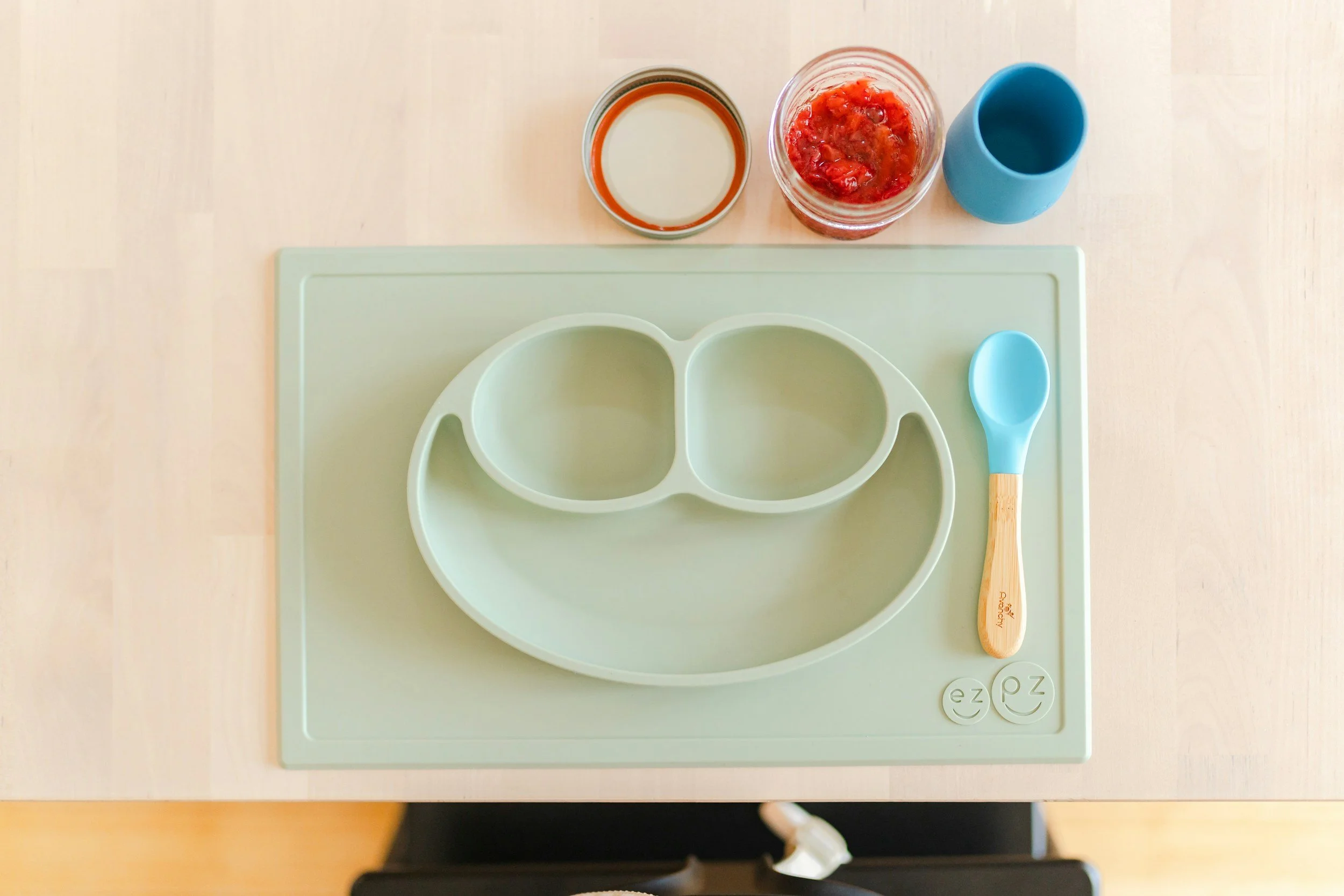
First foods shape lifelong habits.
1. Iron-Rich Foods
Try offering a variety of iron-rich foods, such as:
Soft, finely minced beef, lamb or chicken
Fish prepared without bones
Eggs cooked thoroughly and offered in an age-appropriate texture
Lentils, beans and chickpeas, mashed or softened
Iron-fortified infant cereal
Tofu, prepared in a soft, manageable texture
You can mix iron-fortified infant cereal with breast milk, formula or water to achieve a texture your baby can manage.
Plant-based iron sources can be paired with vitamin C-rich foods, such as mashed strawberries, soft broccoli or fruit puree, to help the body absorb iron.
Dietitian tip: You don't need to serve the same first food every day. Offer different iron-rich options throughout the week to introduce variety in taste, texture and nutrients.
2. Vegetables and Fruits
Vegetables and fruits introduce different flavours, colours and textures.
Some ideas include:
Mashed avocado
Soft-cooked sweet potato
Steamed broccoli florets prepared for your baby's developmental stage
Mashed peas
Soft, ripe banana
Mashed berries
Soft-cooked apple or pear
You can offer vegetables and fruits alongside iron-rich foods rather than following a strict order.
3. Foods With Healthy Fats
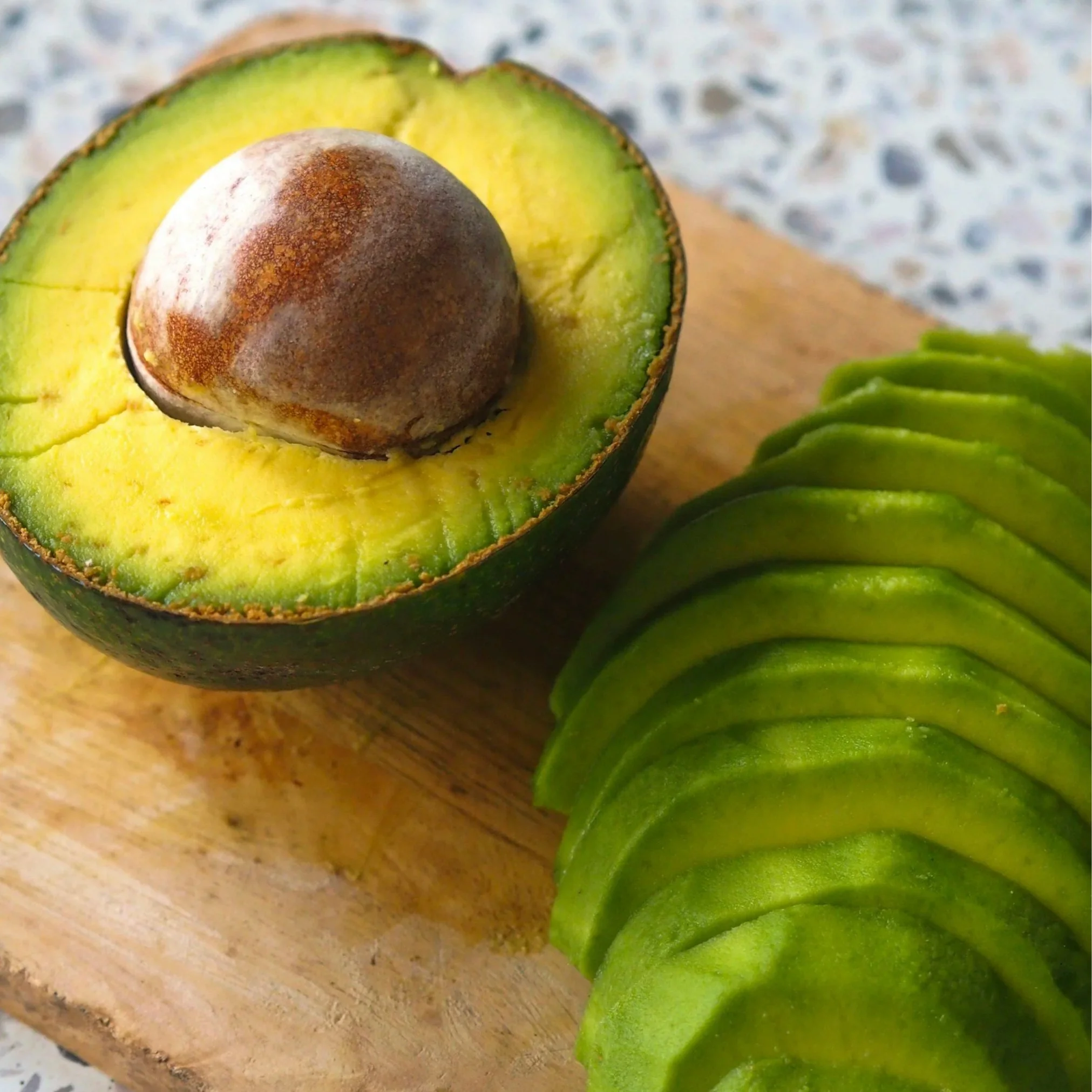
Healthy fat provides energy and supports growth and development.
Age-appropriate options include:
Mashed avocado
Smooth nut or seed butter thinned and mixed into cereal, yogurt or puree
Full-fat plain yogurt, if tolerated
Soft, appropriately prepared fish
Remember that whole nuts and thick spoonfuls of nut butter are choking hazards. Always modify the texture and shape of foods to suit your baby's abilities.
4. Dairy Foods
Pasteurized plain yogurt and appropriate pasteurized cheese can be introduced in suitable textures. Cow's milk should not replace breast milk or infant formula as the main drink before 12 months of age.
Continue offering breast milk or infant formula as your baby's main milk source during the first year.
Why Is Iron So Important for Babies?
Iron is needed for red blood cell production and healthy brain development.
Babies are born with iron stores, but these decrease during infancy. Breast milk alone does not provide enough iron to meet all the needs of most older infants, which is why iron-rich complementary foods are important.
Include iron-rich options regularly rather than relying only on fruits and vegetables.
For plant-based sources, pair foods such as lentils, beans and iron-fortified cereal with vitamin C-rich foods such as berries, broccoli or fruit puree. Vitamin C helps your baby absorb non-heme iron.
If your baby has risk factors for iron deficiency or you have concerns about their growth or intake, discuss their needs with your healthcare provider.
When Should You Introduce Common Allergens?
Common allergens include peanut, egg, milk, wheat, soy, sesame, fish, shellfish and certain tree nuts.
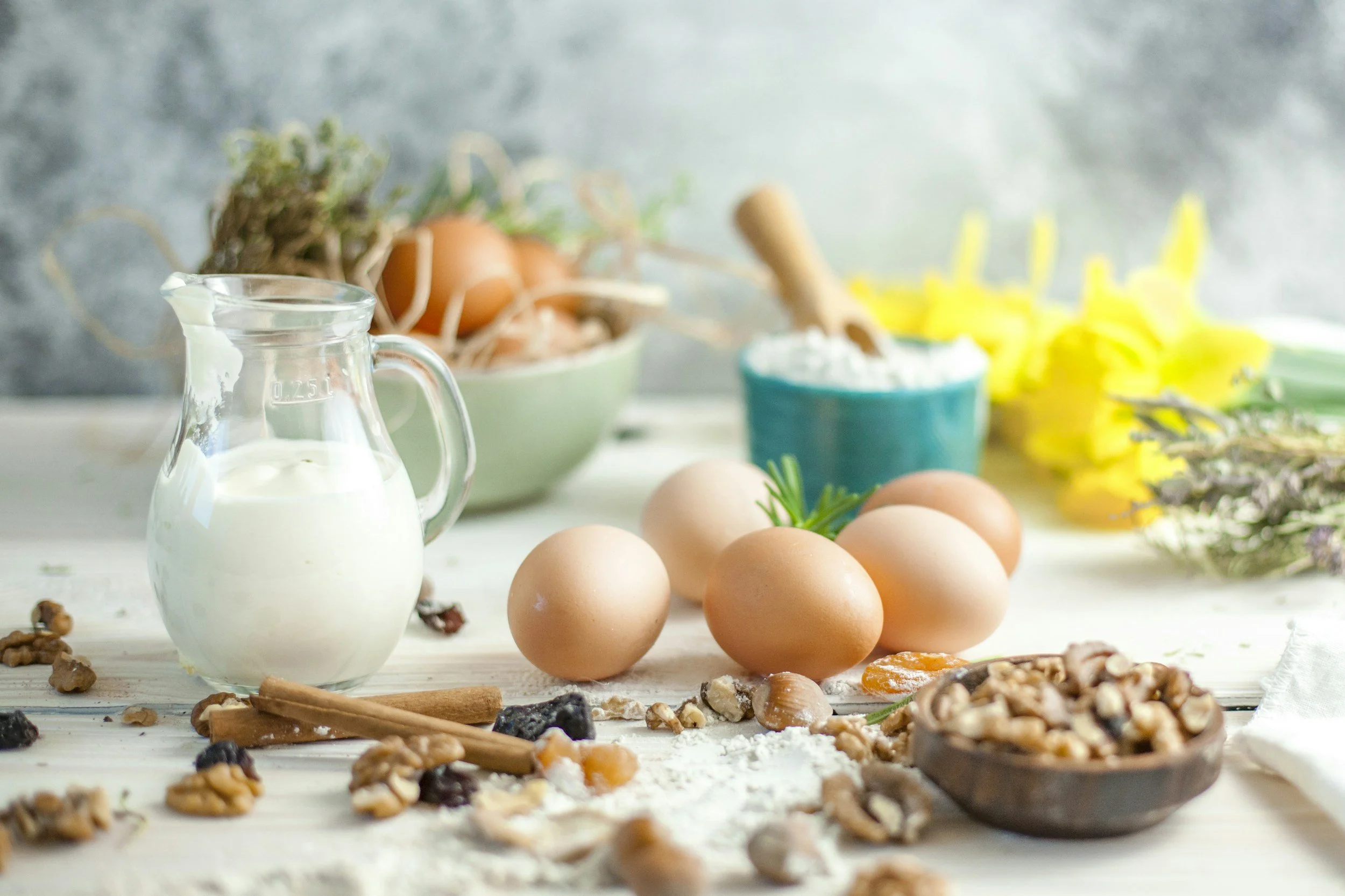
For most babies, these foods can be introduced around six months when they are ready for solids. Delaying allergenic foods unnecessarily is not recommended as a way to prevent food allergies.
Here are some examples of age-appropriate preparation:
Peanut: Smooth peanut butter thinned with water or mixed into puree.
Egg: Thoroughly cooked egg mashed to a soft texture.
Milk: Plain yogurt made with pasteurized milk.
Fish: Thoroughly cooked, boneless fish in a soft texture.
Wheat: Soft foods containing wheat or appropriately prepared wheat cereal.
Introduce allergens in a form your baby can safely swallow. Offering new allergenic foods individually can make it easier to identify a possible reaction.
If your baby has severe eczema or an existing food allergy, speak with your healthcare provider before introducing peanut or other relevant allergens. Some babies may benefit from an individualized plan.
Seek emergency care for signs of a severe allergic reaction, including difficulty breathing or swelling of the tongue or throat.
How Much Should a 6-Month-Old Eat?
At first, your baby might eat only a few tastes or spoonfuls. That's normal!
Starting solids is about learning as well as nutrition. Your baby is exploring flavours, practising oral motor skills and learning how to manage new textures.
Start with small amounts and gradually increase the number of feeding opportunities as your baby becomes more comfortable. Canadian guidance suggests working toward two to three complementary feedings daily at 6–8 months, depending on the baby's appetite and development.
Watch for your baby's cues.
Signs of hunger may include:
Reaching for food
Opening their mouth when food is offered
Showing interest in food
Signs of fullness may include:
Turning their head away
Closing their mouth
Losing interest or pushing food away
Avoid forcing your baby to finish a portion. Your role is to offer appropriate foods and a supportive feeding environment; your baby can help determine how much to eat.
What If My Baby Refuses Solids?
It is common for babies to need repeated opportunities to become comfortable with unfamiliar foods.
Your baby might touch, squish, smell or lick a food before swallowing any. These are all ways of exploring.
Try these strategies:
Eat together when possible so your baby can watch you.
Offer small portions without pressure.
Try different safe textures and preparations.
Include familiar foods alongside new foods.
Follow your baby's hunger and fullness cues.
Offer refused foods again on another day.
Avoid turning meals into a battle. If your baby consistently coughs or chokes while eating, struggles with textures, vomits frequently during feeding or has difficulty gaining weight, seek advice from your healthcare provider.
Final Thoughts
Starting solids doesn't have to be complicated. Begin around six months when your baby is developmentally ready, prioritize iron-rich foods, introduce a variety of flavours and textures, and follow your baby's cues.
You don't need to get every meal right. Your goal is to create safe, positive opportunities for your baby to learn about food.
Need support with your baby's feeding journey? I'd love to help you feel more confident about starting solids and building healthy feeding habits. Explore my baby-feeding services or book a consultation to get personalized guidance for your family.
Evidence-Based Resources
Health Canada. Nutrition for Healthy Term Infants: Recommendations from Six to 24 Months. https://www.canada.ca/en/health-canada/services/canada-food-guide/resources/nutrition-healthy-term-infants/nutrition-healthy-term-infants-recommendations-birth-six-months/6-24-months.html
Health Canada. Nutrition for Healthy Term Infants: Recommendations from Birth to Six Months. https://www.canada.ca/en/health-canada/services/canada-food-guide/resources/nutrition-healthy-term-infants/nutrition-healthy-term-infants-recommendations-birth-six-months.html
Canadian Paediatric Society. Nutrition for healthy term infants, six to 24 months: An overview. https://pmc.ncbi.nlm.nih.gov/articles/PMC4276390/
Health Canada. Infant nutrition. https://www.canada.ca/en/health-canada/services/infant-care/infant-nutrition.html
This article provides general educational information and is not a substitute for individualized medical or nutrition advice. Recommendations may differ for babies with prematurity, allergies, developmental concerns or medical conditions.
